Many neurological diseases affect movement, memory, speech, coordination, sensation, and quality of life. With developments in the field of neurosurgery, many complicated cases related to neurological diseases can be diagnosed and treated with great precision. Modern imaging, neuro-navigation, minimally-invasive procedures, and special surgical skills have made it possible to change the paradigm of neurosurgery of complicated diseases.
Advanced technology is not the only thing that helps in the treatment of neurological diseases. The experience of a neurosurgeon, correct diagnosis, careful treatment plan, facilities of a hospital, and the follow-up are also important aspects of the process. When looking for the Best Brain Surgeon in India, therefore, one should take into consideration these aspects.
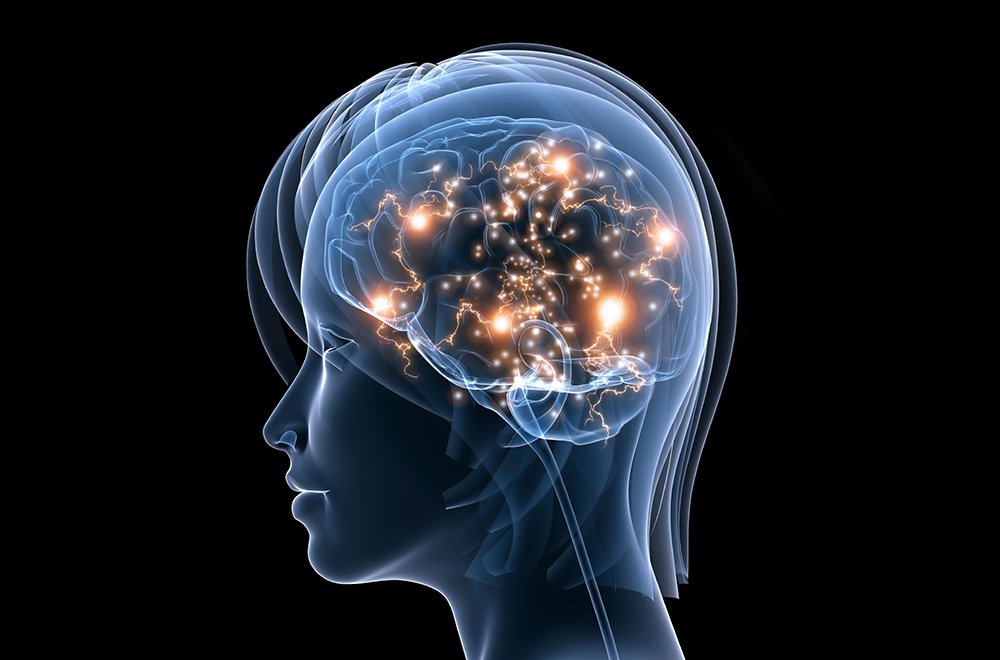
Current methods of brain surgery have evolved a lot since the days of old surgeries. Modern neurosurgeons employ the use of images, computer-based planning, and visualizing techniques that make them understand the problem to be addressed. The availability of such technologies and skilled surgery can be very relevant when one needs the Best Brain Surgeon in India.
The first advancement that should be mentioned is neuro-navigation. With the help of such a system, a neurosurgeon gets a 3D map of the brain, which helps him/her to plan and navigate complex surgeries involving complicated brain and spine regions. Neuro-navigation allows performing accurate pre-surgical planning as well as understanding the relationships between the target region and other anatomical elements.
Minimally invasive approaches are gaining popularity for some types of surgeries of the brain and spinal cord. Instead of applying a traditional approach to all surgeries, a neurosurgeon makes sure that minimally invasive approach is applicable based on the patient's diagnosis and his/her individual anatomy. It is important to note that these innovations do not eliminate the risk of neurosurgeries. They simply provide tools for careful planning and treatment of cases.
All neurological diseases are not necessarily to be operated on. Before deciding on the treatment, a neurosurgeon takes into consideration the patient’s symptoms, his/her medical history, neurological examination, and imaging studies.
The indication for brain surgery can be brain tumors, some kinds of aneurysms and vascular malformations, brain injuries, hydrocephalus, and some other neurological diseases. The treatment options may vary a lot according to the location, size, and type of the disease.
Thus, a brain tumor may require another treatment plan in comparison with a brain hemorrhage or vascular disease. In some cases, observation, medication, rehabilitation, or any other alternative treatment may be preferable.
This is the reason why an individualized assessment is one of the main elements of modern neurosurgery.
Neuro navigation uses advanced imaging and computer-assisted mapping to help surgeons understand the patient's anatomy during complex brain and spine procedures. It can assist with surgical planning and help the surgeon navigate toward a specific target while considering nearby structures.
The technology can be particularly useful when operating in anatomically complex areas where precision is important. Dr. Yogesh Gupta's official website highlights neuro navigation as one of the advanced technologies used in his neurosurgical practice.
Neuro intervention uses image-guided catheter-based techniques to manage selected conditions affecting blood vessels of the brain and nervous system. Depending on the diagnosis, procedures may be used for conditions such as certain strokes, aneurysms and vascular malformations.
Because these techniques can access blood vessels through small catheter entry points, they can provide an alternative to some open surgical approaches in appropriately selected cases. The suitability of neuro intervention depends on the patient's condition, imaging findings and specialist assessment.
Minimally invasive neurosurgical techniques aim to reduce unnecessary disruption to surrounding tissues while allowing the surgeon to address the underlying problem. Smaller access points and specialized instruments may be used in selected procedures.
The benefits and limitations vary from patient to patient, so the choice of technique should always be based on medical suitability rather than the technology alone.
Selecting a neurosurgeon is a critical step, particularly when one seeks treatment for conditions related to the brain, spinal cord, or peripheral nerves. Patients should look beyond the Best Brain Surgeon in India designation and consider other practical aspects of treatment.
This includes their education, years of experience, knowledge about the disease, experience with surgical procedures, facilities offered by the hospital, availability of the latest technology, and their post-treatment care.
The patient should not hesitate in asking questions regarding his/her condition, various treatments, potential risks and benefits of each procedure, etc. The ideal consultation will give the patient enough reason to understand why this surgery is advised and whether there are any alternatives to surgery.
The role of the neurosurgeon does not end with surgery but begins with examination of the patient’s symptoms and results of testing to establish the necessity for surgery.
Once it is decided that surgery is indicated, the neurosurgeon evaluates the patient’s anatomy, severity of the disease, his/her medical history and potential risks in order to select an appropriate surgical technique. The planning stage is critical for difficult surgeries on the brain or spinal cord.
Post-surgery care and follow-up are also critical in certain cases and may require rehabilitation and neurological examinations of the patient.
Experience should be complemented by modern equipment and proper clinical reasoning.
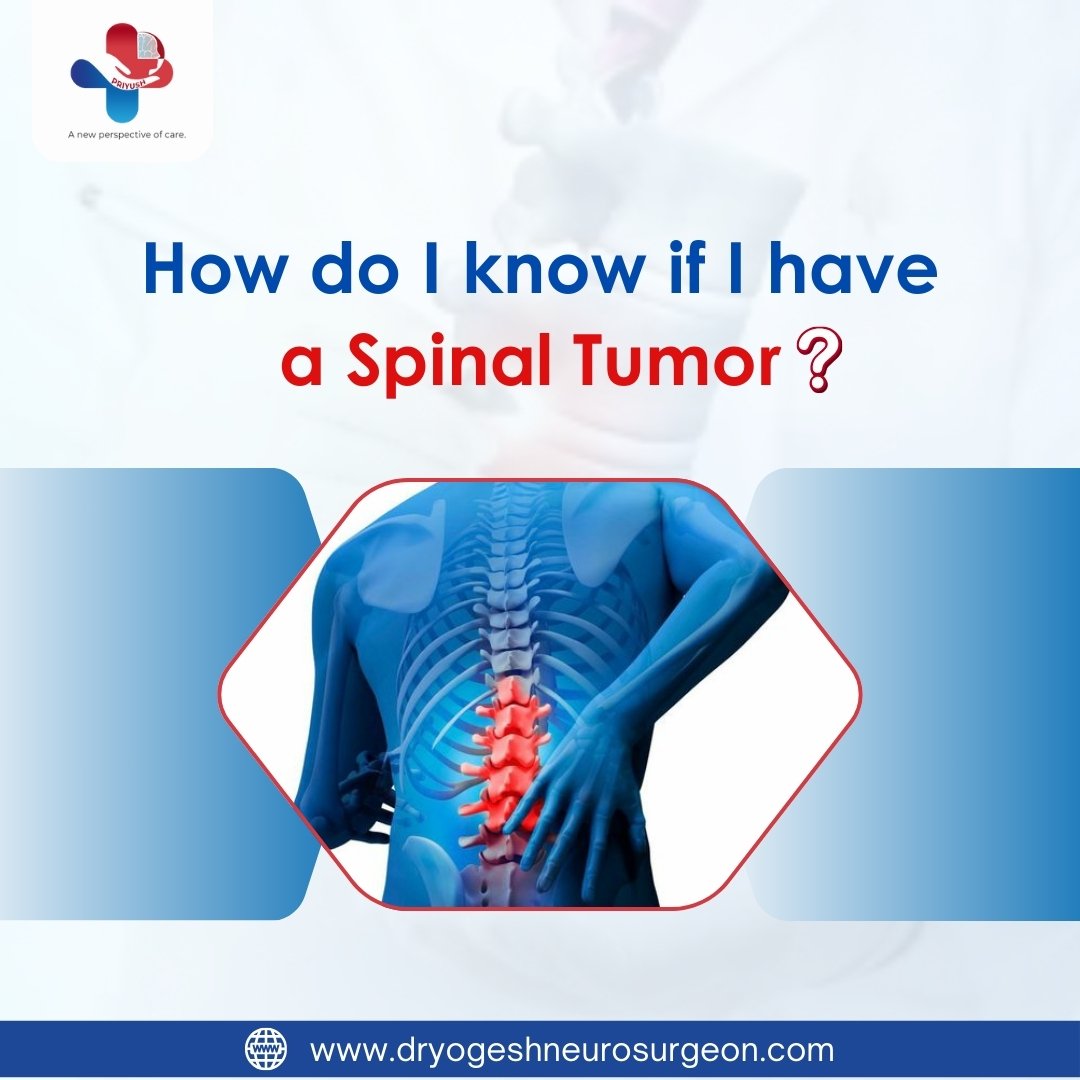
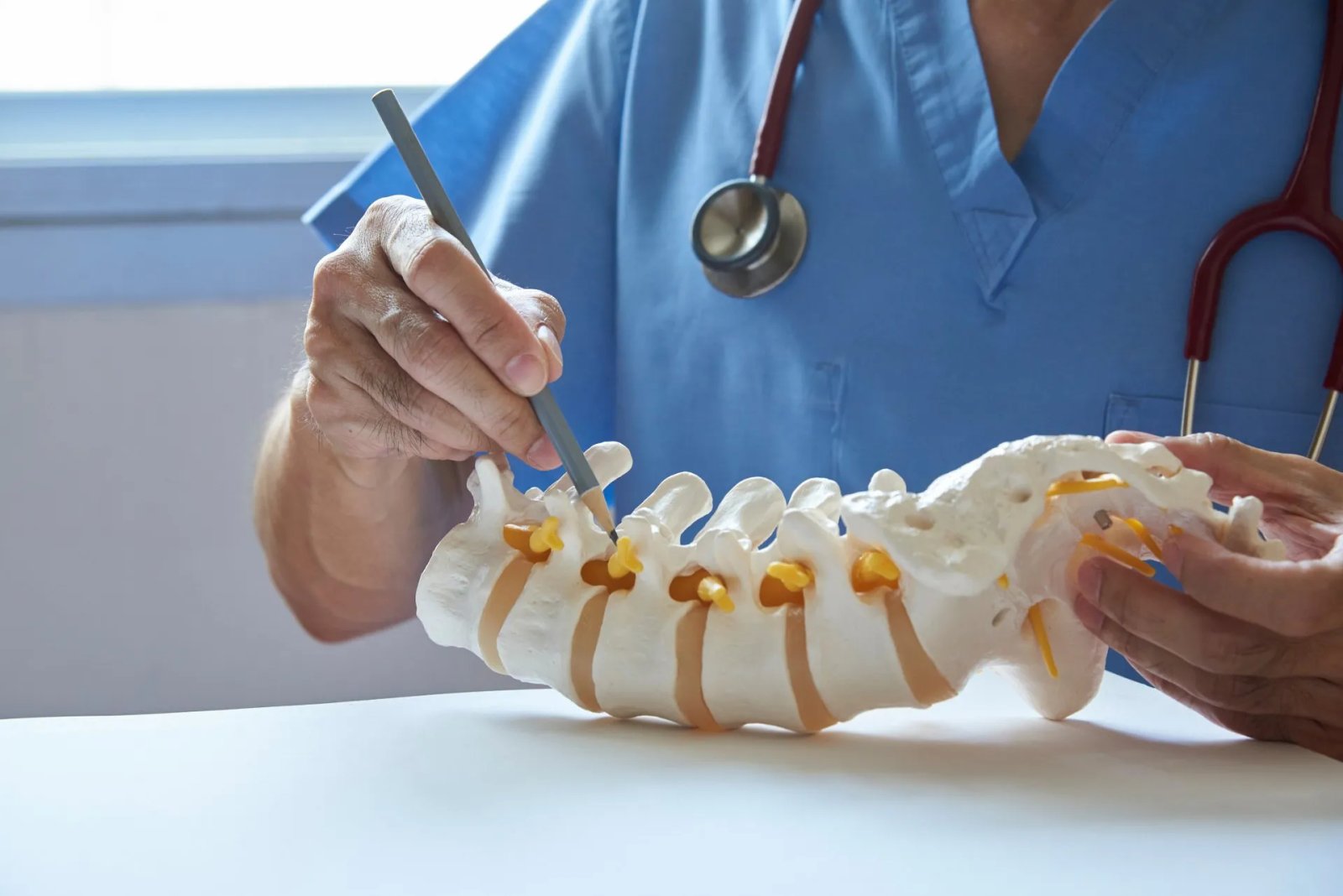
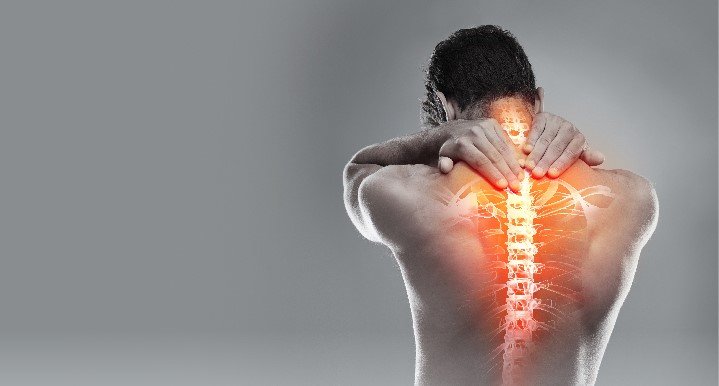
Spinal ailments may lead to chronic pain, numbness, weakness, and difficulty in movement. The treatment for spinal ailments includes medication, physiotherapy, lifestyle modification, pain management, or surgery, according to the condition.
Some of the ailments which require a surgical opinion include prolapsed or herniated discs, spinal canal stenosis, foraminal stenosis, spondylolisthesis, some spinal tumors, and cervical spine ailments.
In case you are searching for the Best Spine Surgeon in India, consider the experience of the surgeon in your particular condition and the available surgical options.
The practice area of Dr. Yogesh Gupta specializes in spine surgeries and minimally invasive surgeries with Unilateral Biportal Endoscopy (UBE) highlighted as an advanced technique for spinal ailments.
UBE stands for Unilateral Biportal Endoscopy, which is a procedure in spinal surgery where small incisions are made, and special endoscopic equipment is used. It is performed for the conditions when spinal decompression is required or some other proper procedures.
This procedure may include some advantages such as smaller incisions, little tissue damage, and even blood loss. These factors can influence the fact that the recovery period for patients using this method is shorter.
However, UBE is not suitable for all spinal diseases and for every patient. It depends on specific diagnosis, imaging results, patient’s anatomy, and his general health condition.
The official website of Dr. Yogesh Gupta provides information about UBE, describing it as one of the primary methods used by him to treat such spinal problems as spinal canal stenosis, foraminal stenosis, and some forms of spondylolisthesis.
Even two patients that share identical symptoms can have completely different disorders. Therefore, neurosurgical intervention must not be decided upon on the basis of symptoms alone.
An accurate diagnosis will include:
1. Medical history
2. Neurological examination
3. MRI or CT scans
4. Severity of the disease
5. Age and general condition
6. Any previous treatments
The pros and cons of the surgical approach must also be taken into consideration.
In some cases, surgery is the correct choice, while in others it is better to go with non-surgical interventions. A qualified neurosurgeon will determine the most appropriate course of action.
Dr Yogesh Gupta is a brain and spinal surgeon having MBBS, MS and M.Ch (Neurosurgery) degrees. Dr Yogesh Gupta claims that he has over 16 years of surgical experience and has performed more than 15,000 brain and spinal surgeries on his professional profile. He is currently the Director of Priyush Neuro & Super Speciality Hospital at Mansarovar, Jaipur and also the Director of Priyush Multispeciality Hospital at Sanganer, Jaipur.
His clinical interests include brain surgery, spinal surgery, UBE surgery, neuro trauma, endovascular neurosurgery, pediatric neurosurgery, neuro intervention and trigeminal pain ablation. Technologies used in the practice include UBE, neuro navigation and neuro intervention.
The approach includes identifying the correct choice for each patient based on their condition and utilizing minimally invasive techniques wherever possible. The individualized approach is very significant in neurological disorders, in which there can be great variation in treatment choices for different people.
Before deciding on a neurosurgical procedure, patients may find it helpful to ask:
1. What is my exact diagnosis?
2. Is surgery necessary in my case?
3. Are there non-surgical treatment options?
4. Which surgical technique is appropriate for me?
5. What are the expected benefits and possible risks?
6. Will advanced technology such as neuro navigation or endoscopy be used?
7. What should I expect during recovery?
8. What follow-up or rehabilitation may be required?
Understanding these answers can help patients make more informed decisions about their treatment.
Brain surgery and spinal surgery have made huge strides owing to improved imaging, planning, minimally invasive procedures, and technologically assisted treatments. All of these innovations provide surgeons performing neurosurgical procedures with more tools for dealing with difficult neurological issues.
However, while technology cannot be separated from proper clinical judgment and personalization, patients must consider the surgeon's expertise, experience, facilities in the hospitals where they work, methods used to treat diseases, and their ability to communicate, not just ratings.
No matter whether a person is trying to identify the Best Brain Surgeon in India or the Best Spine Surgeon in India, the first and foremost thing they need to do is to schedule a consultation with an experienced neurosurgeon.




.jpg)